
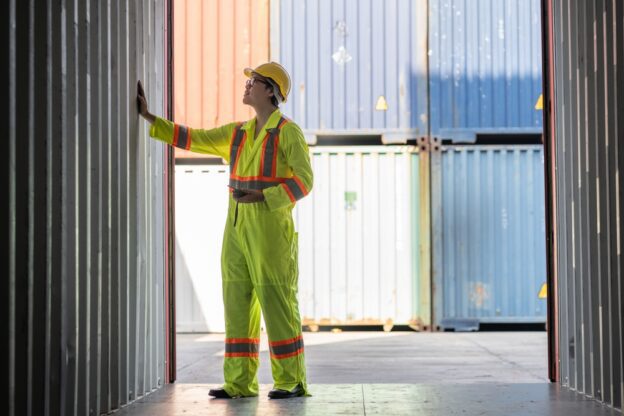
Are you prepared to protect your massive steel investment from the harsh outdoor elements year after year? Maintaining these heavy-duty metal structures requires specific technical knowledge and physical effort over an extended period. If you are wondering how to clean a shipping container, you must understand that whether you are looking at shipping containers for sale in Jersey City or need reliable commercial storage from LGI Transport, proper sanitation remains absolutely critical. A well-maintained shipping container can last for decades, but neglect leads to rapid oxidation and structural failure. Professional maintenance allows the Corten steel to retain its unique protective properties while preventing the progression of surface rust into deep structural pitting.
The Importance of Surface Preservation
Keeping a shipping container completely free of debris significantly extends its usable lifespan and overall structural strength. Accumulated dirt, trapped moisture, and environmental debris quickly compromise the structural integrity of those thick steel walls. Learning exactly how to handle cleaning shipping container exteriors properly protects your substantial financial investment from premature decay. This process involves more than just a quick rinse; it requires a deep understanding of how industrial coatings interact with environmental pollutants over time.
Many property owners overlook the importance of routine washing until they spot severe structural damage developing outside. You must clean shipping container interiors thoroughly before moving in to avoid expensive repairs later down the line. This guide provides an overview of the techniques required to keep your steel units in pristine condition regardless of their age or previous usage history. By following these industry-standard protocols, you can maximize the resale value of your unit while maintaining a safe environment for storage or habitation.
Necessary Cleaning Equipment
You need the right equipment prepared before starting this heavy-duty sanitation project on your commercial property. Gathering professional-grade cleaning tools makes the entire physical process much faster and significantly safer. Proper preparation prevents frustrating operational delays once you actually begin washing the massive shipping container outdoors in the sun. You should consider investing in a high-pressure washer to reach the high corners and roof sections that are otherwise difficult to access. A unit with at least 2500 PSI is generally recommended to effectively strip away salt deposits and stubborn biological growth.
Recommended Cleaning Inventory:
- High-Pressure Washer: 2500+ PSI for removing salt and scale.
- Safety Gear: Protective goggles, dust masks, and slip-resistant boots.
- Abrasive Tools: Stiff wire brushes and heavy-duty brooms.
- Chemical Supplies: Mild biodegradable detergents and rust converters.
- Finishing Materials: Industrial-grade touch-up paint matching the original finish.
Do you have the correct safety gear prepared for this industrial washing project on your property? You must wear protective safety goggles and a high-quality dust mask throughout the entire physical scrubbing process. These items shield your eyes and lungs from harmful airborne rust particles and flying debris. When you pressure wash the exterior, the high-pressure water can kick up stubborn grime and old paint chips. Additionally, wearing slip-resistant boots is essential when working around wet steel surfaces to prevent dangerous falls.
Step-by-Step Maintenance Protocol
For the wet washing phase of your shipping container, you need cleaning solutions that effectively cut through thick grease. A simple mixture of fresh water and mild detergent works perfectly for standard surface washing applications across the metal. You should generally avoid using harsh chemicals that could strip the protective Corten steel patina. Specialized industrial applications might occasionally require advanced cleaning methods like dry ice blasting for severe chemical contamination removal. Having a dedicated bucket for scrubbing the door gaskets will help these critical seals remain pliable and effective.
| Cleaning Stage | Primary Goal | Recommended Frequency |
| Visual Inspection | Identify rust, dents, and seal failures | Monthly |
| Debris Removal | Clear roof corrugations and floor grooves | After every use |
| Exterior Wash | Remove salt, grime, and environmental buildup | Every 6 months |
| Rust Treatment | Apply converter and touch-up paint | Immediately upon discovery |
| Interior Sanitization | Eliminate odors, mold, and chemical residue | Before new storage cycles |
Advanced Care for Specialized Units
When dealing with various sizes, such as 10 ft containers, 20 ft containers, or the massive 40 ft containers from LGI Transport, your cleaning strategy must scale accordingly. Smaller units are easier to manage but often suffer from poor ventilation, which can accelerate mildew growth if they are not dried properly after a wash. Larger units require more time for a wash, and you may need a ladder or scaffolding to reach the center of the roof safely. This is especially true for coastal environments where salt air is a factor for shipping containers in Rhode Island. High-cube containers present an additional challenge due to their extra foot of height, requiring longer pressure washer wands for effective cleaning.
If you are managing a fleet of shipping containers, keeping a detailed maintenance log is helpful for organizational purposes. This log should track when each unit was last washed, when you last applied a rust converter, and any structural concerns noted during inspection. This proactive approach helps make sure that no single unit is neglected, which is especially important for storage containers that might sit in a remote corner of a yard for months. Consistent care is the only way to help your steel structures remain an asset rather than a liability.
Long-Term Asset Protection
Effective pest control starts with a clean exterior and a sealed interior, as rodents and insects look for any small opening to enter. During your regular cleaning, check the underside of the container for any signs of nesting or structural damage to the cross-members. If your shipping container is placed directly on the ground, it is more susceptible to moisture wicking. Elevating the unit on concrete blocks or a gravel pad can help prevent rust and make the cleaning process easier by allowing airflow underneath.
In regions with high humidity, you must be extra vigilant to prevent mold from forming on the interior plywood flooring. Most shipping containers from LGI Transport come with marine-grade plywood, but these treatments can wear off or become covered in sticky substances over time. A deep container clean involving a mild bleach solution can kill spores before they take root in the wood grain. Always check that the interior is bone-dry before closing the doors for an extended period to avoid condensation issues.
In conclusion, knowing how to clean a shipping container is a fundamental skill for any owner. From the initial pressure wash to the final application of the rust converter on rust spots, every step plays a role in longevity. By avoiding harsh chemicals and focusing on regular cleaning, you protect both your investment and the environment. Keeping your storage containers from LGI Transport clean, dry, and well-ventilated is the best way to get the most value out of your purchase. Whether you have 20 ft containers or 40 ft containers, the principles of maintenance remain the same: be thorough, be consistent, and be proactive in your approach to steel preservation. If you are ready to secure a high-quality unit for your next project, contact us today.