
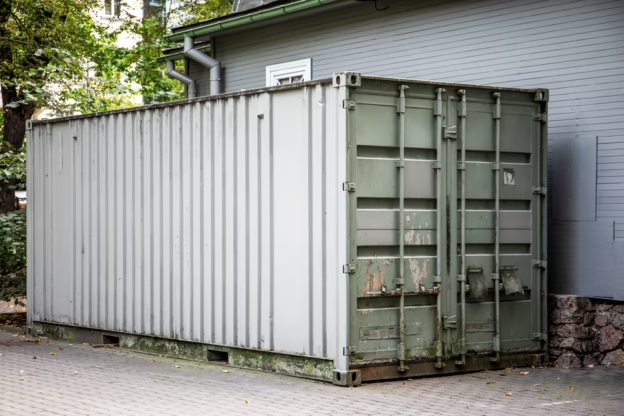
Have you ever looked at your empty backyard and wondered if you can have a shipping container on your property for extra space? Many property owners ask this exact question as these structures gain widespread popularity across the country for various residential uses. Adding a steel unit offers fantastic durability and affordability for your vacant land, but the legalities can be quite complex depending on your location. Whether you are looking for a simple storage solution or a full-scale home, understanding the rules is the first step toward a successful project.
However, you cannot simply buy a cargo box and drop it on your lawn without doing some significant homework first. You must understand specific zoning laws before placing units on residential or commercial lots to avoid legal disputes. Local authorities heavily regulate these structures to maintain neighborhood safety, aesthetic harmony, and community standards. Failing to comply can lead to expensive removal orders and daily fines that quickly add up.
By following a clear legal framework, you can confidently plan your delivery while staying fully compliant. Working with an experienced supplier like LGI Transport helps clarify the logistics of getting your box on-site safely. Proper planning protects your investment for years to come.
Navigating Municipal Zoning Regulations
Before you schedule a delivery, you must check your local municipal rules and neighborhood restrictions. Every city has a specific container zoning law that dictates what you can put on your private land and for how long. A zoning law categorizes these units based on their intended use, such as whether the structure is for storage or habitation. You should also check with your Homeowners Association (HOA), as they often have stricter rules than the city itself.
Sometimes, containers fall under the category of accessory structures like sheds, detached garages, or tiny houses. Other times, local codes classify them entirely differently, depending on whether you live in a residential, agricultural, or industrial area.
If you are currently browsing regional inventory, such as browsing the available used shipping containers for sale in Newark, it is critical to contact your county planning office first. Many rural areas offer flexibility, but urban hubs enforce strict layout restrictions regarding property lines and utility easements.
Permanent vs. Temporary Structure Classifications
How long you plan to keep the unit on your land matters immensely to city officials and building inspectors. If you keep the unit for fewer than 30 to 90 days, it usually qualifies as a temporary structure. A temporary structure requires fewer permits and completely bypasses many complex building codes that apply to permanent buildings.
The regulatory framework changes dramatically based on your timeline and the exact size of the container you select:
| Classification | Typical Permit Window | Foundation Requirements | Building Code Rules |
| Temporary | Under 30–90 days | None (Gravel/Dirt pad) | Exempt in most counties |
| Permanent | Indefinite | Concrete piers or solid slab | Fully subject to local codes |
If you plan to place a permanent shipping container in NJ, you must treat it as a real construction project. Local authorities will inspect your site to verify that your steel structure meets all safety standards, which includes securing a formal building permit and passing multiple engineering reviews.
Essential Steps to Legally Install Shipping Containers on Your Land
The installation process begins with a thorough site assessment to confirm the ground can support the weight. You must identify your property lines clearly to guarantee the box meets all setback requirements mandated by the city. Placing a steel unit too close to a neighbor’s fence can result in a legal dispute or a forced relocation of the structure.
Once your site is ready, you will need to follow a specific sequence to clear local bureaucratic hurdles:
- Request a permit requirements guide from your municipal planning office.
- Draft a detailed site plan showing property boundaries and utility lines.
- Apply for a storage container permit with engineering calculations if stacking units.
- Pour a proper foundation such as concrete piers to prevent soil settling.
- Schedule delivery with a professional transport company.
Delivery Logistics and Long-Term Maintenance
The final hurdle in your journey is the actual delivery of the unit to your designated site. You must make sure that the delivery truck has clear access to your property via public roads that can handle heavy loads. Discussing these logistics with LGI Transport prevents delivery day surprises, such as low-hanging tree branches or tight residential turns that might block a large flatbed trailer.
Once the unit is safely on the ground, long-term maintenance is required to protect the steel from the elements. Regular inspections for rust are vital, especially in areas with high humidity or shifting seasonal weather. Applying a high-quality marine-grade paint every few years protects the exterior and extends the lifespan of the unit significantly.
Understanding Property Value and Insurance Impacts
Beyond the baseline city codes, property owners should also investigate how an asset like this changes their long-term financial liabilities. Adding a large steel structure to your land can alter your local property tax assessment if the city deems it a permanent improvement. It is a good idea to speak with your local tax assessor beforehand to understand any future financial shifts.
Additionally, call your current homeowner’s insurance provider to discuss adding the container to your policy. Unconventional structures often require specialized riders to cover damage from storms or vandalism, especially if you store expensive equipment inside. Documenting your foundation build and structural modifications provides necessary proof of quality to your insurer down the line.
Neighborhood Relations and Aesthetic Integration
While clearing legal and financial hurdles is essential, managing neighborhood dynamics is equally important for a seamless installation. A large, industrial steel box can sometimes cause friction with nearby residents if it abruptly disrupts the local visual landscape. Taking proactive steps to disguise or enhance the exterior can prevent complaints before they escalate into formal city code disputes.
Consider blending the structure into your existing backyard layout using strategic landscaping, privacy fences, or custom paint colors. Many landowners install trellis systems with climbing vines or use wood paneling to match the design of their primary residence. Taking these minor steps shows goodwill toward your community and helps keep your project running smoothly without local backlash.
Summary of Next Steps for Your Container Project
Placing a shipping container on your property demands thorough preparation and strategic thinking. You must carefully balance financial planning, logistical coordination, and important administrative tasks simultaneously. By addressing these practical matters early, you free up valuable mental energy for your upcoming project.Start your preparation months in advance to guarantee a smooth transition for your new storage layout. Create detailed checklists, maintain open communication with your local planning office, and lay a strong legal foundation before your container arrives. For heavy hauling logistics or to get answers to your direct transport questions, contact us today.