
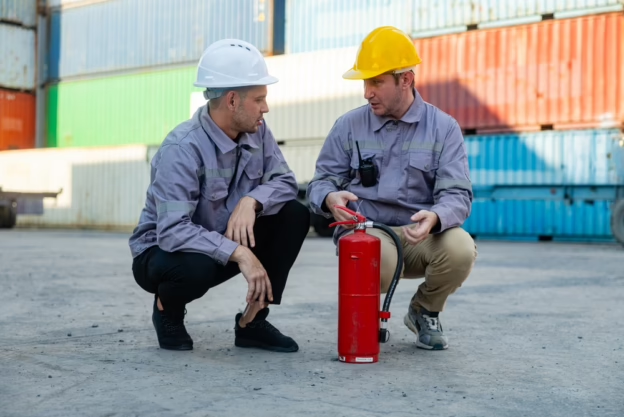
When investing in a permanent structure for business storage, inventory management, or custom building projects, security is always a top priority. While protecting your assets from theft and severe weather is critical, many property owners also worry about the unexpected threat of fire. Knowing how your storage setup handles high heat and flames can save you thousands of dollars in lost property. This leads many buyers to ask: are shipping containers fireproof?
At LGI Transport, we assist customers daily in sourcing heavy-duty steel boxes for a wide variety of land-based projects. Understanding the fire-resistant properties of these structures helps you make informed choices about how to safely store your equipment, tools, or commercial inventory.
The Fire Resistance of Corten Steel
The short answer is that while shipping containers are not completely fireproof, they are naturally highly fire-resistant. The entire outer shell of a standard ocean cargo unit is manufactured from thick Corten steel. This specialized industrial steel alloy is engineered to withstand extreme physical abuse, including intense heat, heavy impacts, and corrosive salt air.
Because the main walls, roof, and doors are made entirely of solid metal, the structure itself will not ignite, catch fire, or help spread flames. If a brush fire sweeps through a job site or an external fire breaks out near your unit, the steel exterior acts as an excellent shield that blocks direct contact with the flames.
However, a standard container does include a few components that can burn under the right conditions:
- Plywood Flooring: The vast majority of cargo units feature a thick interior subfloor made from marine-grade plywood or bamboo. This wood is treated to resist moisture and pests, but it can still ignite if the interior temperature reaches a critical ignition point.
- Rubber Door Gaskets: The flexible seals around the cargo doors are made of heavy-duty rubber to keep out wind and water. In a severe fire, these rubber gaskets will eventually melt or char when exposed to direct flames.
- Interior Cargo and Air Supply: A fire cannot burn without oxygen. If a fire starts inside a tightly sealed unit, it will often starve itself of oxygen and go out, provided the vents are small and the doors remain completely shut.
Assessing Fire Risk by Container Grade and Modification
The structural condition of your box plays a massive role in how well it isolates a fire. An unmodified, intact steel shell is a highly secure vault, but adding modifications like windows, personnel doors, or custom insulation can change how the unit reacts to heat.
If you are looking for inventory for your local site, LGI Transport makes it easy to find a solid unit. We handle the logistics and delivery directly, making us the top choice when you need trustworthy shipping containers for sale in NYC or the surrounding areas.
| Structure Component | Fire Behavior | Safety Prevention Plan |
| Corten Steel Outer Shell | Non-combustible; blocks external flames. | Keep the exterior free of debris and dry brush. |
| Marine-Grade Plywood Floor | Can ignite under prolonged, extreme interior heat. | Apply a fire-retardant coating or install steel plates over the wood. |
| Rubber Door Gaskets | Will melt or char at high temperatures. | Inspect seals regularly and replace worn gaskets to maintain a tight seal. |
| Custom Interior Insulation | Depends on materials; fiberglass or rockwool resists fire. | Avoid cheap foam board insulation unless it carries a certified fire rating. |
Evaluating the Impact of Intense Heat on Steel Strength
Even though the thick Corten steel shell will not catch fire, prolonged exposure to extreme heat can still alter the structural behavior of the metal. Structural steel typically begins to lose its load-bearing strength when temperatures cross one thousand degrees Fahrenheit, which can easily happen during a fully involved structure fire. While the container walls will remain intact and prevent flames from passing through, the roof or side panels might warp or bow under severe, long-lasting thermal stress.
Fortunately, for standard storage applications, a passing wildfire or a brief exterior accident rarely generates enough sustained heat to compromise the structural integrity of the box. Once the fire passes and the steel cools down, the unit generally retains its shape and security. At LGI Transport, we always advise clients to evaluate what is happening around their unit and maintain a clean safety clearance zone around the exterior walls to prevent intense heat buildup.
Designing a Fire-Safe Modification Plan
If you plan to convert a cargo unit into a mobile office, workshop, or living space, you must think about the fire safety of the materials you add to the inside. Standard wood framing and cheap plastic insulation boards will ruin the natural fire resistance of the steel shell.
When modifying a box, LGI Transport recommends using light-gauge steel studs for your interior wall framing instead of traditional wood two-by-fours. For insulation, opting for mineral wool or fiberglass batts provides excellent thermal protection while maintaining a completely non-combustible interior wall cavity.
Protecting Your Stored Inventory on Site
For simple storage applications, a clean, watertight box is one of the safest places to keep your assets. Because these units are built to survive the extreme physical stresses of ocean transport, setting them up on a flat gravel pad or concrete foundation on land means they will easily protect your tools from external fire hazards with very minimal upkeep.
If you are storing combustible items like fuel, propane tanks, or oil-soaked rags, proper ventilation is critical. Adding fire-rated louvers or explosion-proof exhaust fans prevents hazardous fumes from building up inside the steel enclosure during hot summer days, keeping your job site safe.
Understanding Specialized Fire-Retardant Coatings
For businesses storing high-value inventory or operating in high-risk zones prone to wildfires, applying specialized coatings can add an extra layer of structural protection. Intumescent fire-retardant paints can be applied directly to both the exterior steel and the interior wood flooring. When exposed to severe heat, this specialized paint undergoes a chemical reaction that causes it to expand, creating a thick, insulating layer of foam that shields the underlying materials from thermal damage.
Using these protective paint layers significantly delays the transfer of heat from the outside environment to the interior of the box. This extra time can prevent your internal inventory from reaching its ignition point before local emergency services arrive to put out the nearby flames.
For buyers located slightly further south, we maintain a steady supply of rugged units ready for delivery. If you want to compare different conditions and grades, you can easily check our inventory of used shipping containers for sale in NJ to find an affordable, fire-resistant solution for your business storage needs. Our team can help guide you toward the right base containers that accept these custom defensive upgrades perfectly, keeping your property safe and sound.
Get the Right Container Today
Whether you need a wind-and-watertight used box for a construction site or a clean, single-trip unit for a backyard workshop, choosing the right supplier matters. LGI Transport is dedicated to providing clear pricing, honest grading, and fast delivery to keep your project moving forward without delays.
Reach out to LGI Transport right away to discuss your specific size requirements and get a direct quote for your next cargo box.