
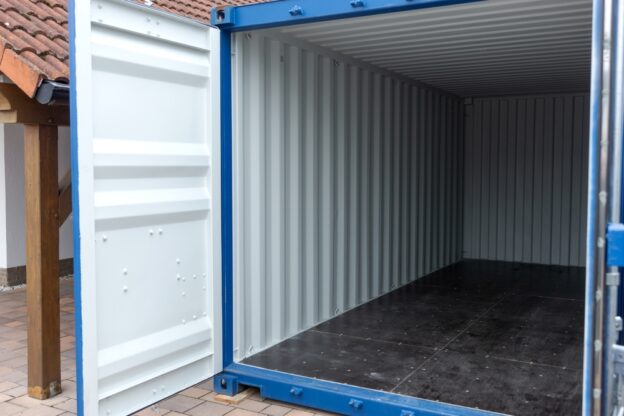
Many people overlook the internal conditions of a metal structure sitting in an open yard until they discover damaged inventory or warped equipment. High-grade large metal shipping containers are engineered for durability, yet their steel composition makes them highly reactive to solar radiation. On a typical summer afternoon, the air trapped inside these units can reach levels that far exceed the ambient outdoor temperature. Understanding the mechanics of heat absorption is the first step toward preserving the integrity of your property during long-term storage or transit.
At LGI Transport, we recognize that managing these thermal shifts is a priority for clients storing everything from construction tools to delicate household goods. Without a plan for climate regulation, a standard unit essentially becomes a high-capacity oven. The steel walls absorb energy throughout the daylight hours and radiate it inward, often maintaining high heat levels long after the sun has set. This creates a challenging environment for sensitive materials that require a stable climate to remain functional or safe.
Key Drivers of Internal Temperature Shifts
Several physical factors dictate how much heat energy enters the unit and how long it stays there. By identifying these variables, you can make informed decisions about how to set up your storage area to minimize thermal stress.
- Solar Gain and Surface Color: The exterior paint acts as the first line of defense. A dark blue or forest green unit will absorb a massive percentage of the sun’s rays, whereas a light tan or white surface reflects much of that energy away before it can penetrate the steel.
- Thermal Conductivity of Corten Steel: While corten steel provides incredible structural strength, it is a rapid conductor. Without an air gap or a barrier, the heat moves from the exterior skin to the interior air almost instantly.
- Geographic Humidity Levels: When using storage containers in New Jersey or other coastal regions, high humidity adds a layer of complexity. Moist air holds heat longer than dry air, leading to a “heavy” atmosphere inside the container that can contribute to condensation and mold growth if not managed correctly.
- Air Stagnation: In a completely sealed unit, there is no way for rising heat to escape. This leads to a stratified environment where the air near the ceiling is significantly hotter than the air near the floorboards.
Internal Temperature Performance Chart
The following data represents the estimated peak internal temperatures for various container configurations during a standard $90$°F ($32$°C) day with full sun exposure.
| Configuration Type | Peak Internal Temp (Est) | Heat Retention | Best Use Case |
| Dark Painted Steel | 145°F | Very High | Heavy machinery, non-perishables |
| Light Painted Steel | 115°F | Moderate | General household storage |
| Insulated / Lined | 98°F | Low | Furniture, archives, clothing |
| Refrigerated (LGI Unit) | 35°F – 70°F | Managed | Food, chemicals, pharmaceuticals |
Protecting Sensitive Inventory and Equipment
High heat levels do more than just make the unit uncomfortable to enter; they can cause physical and chemical changes to your stored items. It is vital to recognize which categories of cargo are most at risk during the peak of summer.
Mechanical and Electronic Hardware
Electronics are particularly susceptible to “heat soak.” Prolonged exposure to temperatures over $120$°F can cause battery swelling in cordless tools, degradation of plastic components, and failure of internal soldering in computer hardware. If you are using a container as a remote workshop or a server hub, constant cooling is a requirement rather than a luxury.
Chemical Stability and Safety
Many common liquids used on job sites, such as paints, adhesives, and cleaning solvents, have specific flashpoints or storage requirements. Excessive heat can cause containers to pressurize or the chemicals inside to separate, rendering them useless. Always check the safety labels on your supplies before locking them in a metal box for the summer. LGI Transport recommends using specialized ventilated units for any volatile materials.
Organic Materials and Household Goods
Furniture made of solid wood or leather can suffer in extreme heat. Wood may crack as moisture is sucked out of the grain, and leather can become brittle or lose its finish. Similarly, paper archives and photographs can yellow and degrade rapidly if the internal climate is not stabilized with insulation or dehumidification tools.
Strategies for Effective Climate Control
Maintaining a safe internal environment requires a combination of passive and active cooling methods. Depending on your budget and the value of your goods, you can choose a setup that provides the necessary level of defense.
- Passive Airflow: Installing simple louvered vents at opposite ends of the unit creates a cross-breeze. This allows the hottest air, which naturally rises to the ceiling, to escape while pulling slightly cooler air in from the bottom.
- Advanced Insulation: Spray foam insulation is a popular choice because it creates a seamless vapor barrier. For a less permanent solution, radiant barrier blankets can be hung from the ceiling to reflect heat back out through the roof.
- Reflective Roof Treatments: Since the roof receives the most direct sunlight, applying a white elastomeric coating can drop the surface temperature of the steel by dozens of degrees. This is one of the most cost-effective ways to manage storage containers where sun exposure is high.
- Active Ventilation: Solar-powered exhaust fans are excellent for units without a power hookup. They work hardest when the sun is brightest, which is exactly when the unit needs the most help staying cool.
Ongoing Maintenance and Monitoring
Success in temperature management involves more than just a one-time setup; it requires regular checks to make sure that your strategy is working. Utilizing a basic digital hygrometer allows you to track both the temperature and the humidity levels from your smartphone. This data helps you decide if you need to add more vents or perhaps move the unit to a more shaded location on your property.
When you source your unit from LGI Transport, you are getting a high-quality structure that serves as a blank canvas for these modifications. We encourage our clients to think about the “lifecycle” of their storage. A unit that stays cool in July is much easier to work in and far safer for your long-term investments. Whether you are managing a fleet of units for a logistics firm or a single box for personal use, taking these steps confirms that your property remains in the same condition it was in the day you locked the door.
Practical Layout Considerations
The way you pack your unit also influences how air moves. Avoid stacking boxes all the way to the ceiling, as this chokes off the airflow from the vents. Leaving a six-inch gap between the top of your items and the roof of the container allows heat to move freely toward the exhaust points. Furthermore, keeping items off the floor using pallets can help prevent “ground heat” from affecting the bottom layer of your cargo.
By prioritizing these thermal management techniques, you can turn a standard metal box into a highly effective, climate-stable storage solution. Working with the team at LGI Transport provides the peace of mind that you are starting with the best equipment available in the industry. Proper preparation today prevents the frustration of heat-damaged goods tomorrow.
Secure Your Ideal Storage Solution Today
Are you looking for a unit that can handle the elements? Contact us today for a quote on our high-quality inventory and let our team help you find the best configuration for your specific location.