
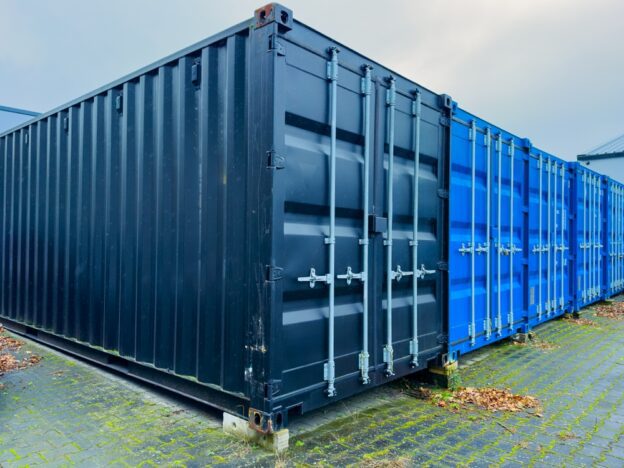
That shipping container sitting in your yard has weathered storms, traveled thousands of miles, and served you well. But now the paint is peeling, rust spots are showing, and it looks more abandoned than functional. You know it deserves better.
Bringing it back to life is absolutely within your reach. With the right preparation, products, and process, you can transform that faded metal box into something that looks professionally maintained and ready for years of continued service.
Why Repaint Your Shipping Container
Shipping containers are built tough, but their exterior coating takes a beating. Salt air, UV rays, temperature swings, and simple wear chip away at protective layers. When paint fails, rust follows quickly on the steel surface. Repainting does more than improve appearance. It extends the functional life of your investment, protects against corrosion, and maintains structural integrity.
Think about what happens to an unprotected container. Moisture finds its way into small cracks. Rust spreads underneath peeling paint. Before long, you are looking at holes, structural weakness, and compromised storage. A quality repaint job stops this progression and gives you many more years of reliable use.
Essential Preparation Steps
The difference between a repaint that lasts and one that fails within months comes down to preparation. You cannot skip this phase and expect good results. Start by thoroughly cleaning the entire container surface. Use a pressure washer with a degreasing solution to remove dirt, salt residue, oil, and loose paint. This step reveals what you are truly working with.
Once clean, inspect every inch for rust and damage. Surface rust needs wire brushing or sanding. Deeper rust requires grinding down to bare metal. Any holes or dents should be repaired with metal patches welded in place. This is your opportunity to address structural issues before covering them up.
After rust removal, the entire surface needs sanding. Use 80-grit sandpaper to rough up glossy areas and feather out paint edges. This creates the tooth that new paint needs to grip properly. Wipe everything down with mineral spirits or acetone to remove sanding dust and oils. Let it dry completely before moving forward.
Choosing the Right Products
When it comes to storage containers in Newark or elsewhere, the paint used needs to handle extreme conditions. Look for products specifically formulated for metal surfaces exposed to weather. Your paint system should include three components: primer, paint, and often a topcoat for extra protection.
Primer is non-negotiable. Choose a rust-inhibiting primer designed for metal. Products containing zinc chromate or zinc phosphate offer excellent protection. Apply primer to all bare metal areas and anywhere rust was removed. This layer bonds to the metal and creates a stable foundation for paint.
For the main coat, marine-grade or industrial enamel paints perform best. These formulations resist fading, chalking, and moisture penetration. Acrylic latex paints work well for containers that stay in one place. For containers that will travel or face harsh conditions, consider oil-based or epoxy-based paints. These cost more but deliver superior durability.
| Paint Type | Best For | Durability |
| Acrylic Latex | Stationary containers, dry climates | 3-5 years |
| Oil-Based Enamel | General use, moderate weather | 5-7 years |
| Marine/Industrial Grade | Harsh conditions, frequent transport | 7-10+ years |
The Application Process
Weather matters when painting containers. Choose a dry day with temperatures between 50 and 85 degrees. Avoid direct sun on the surface you are painting, as this causes paint to dry too quickly and creates application problems. Early morning or late afternoon often provides ideal conditions.
Start with a primer application. Use a high-quality brush for edges and corners, then switch to a roller for large flat areas. Some people prefer sprayers for speed, but rollers give excellent results without overspray concerns. Apply primer in thin, even coats. One good coat beats two rushed ones. Let the primer dry according to manufacturer instructions before applying paint.
Paint application follows the same pattern. Work in sections, maintaining a wet edge to avoid lap marks. Two thin coats provide better coverage and durability than one thick coat. Pay special attention to seams, handles, and door mechanisms. These high-wear areas benefit from extra coverage.
Essential Tools and Materials
- Pressure washer with degreasing solution
- Wire brush, sanding discs, and orbital sander
- Rust-inhibiting metal primer
- Quality metal paint suited to your environment
- Brushes, rollers, or paint sprayer
- Drop cloths and masking tape
- Safety equipment including respirator, gloves, and eye protection
Common Mistakes to Avoid
Rushing preparation ranks as the biggest mistake. Every hour spent properly prepping saves you from premature paint failure. Skipping primer is another costly error. Even if existing paint looks decent, new paint needs primer for proper adhesion and rust protection.
Using the wrong paint type causes problems too. House paint is not designed for metal containers. Neither is cheap spray paint from the hardware store. Invest in proper container paint and avoid redoing the job in a year. Painting in poor weather conditions sets you up for failure. High humidity, extreme temperatures, or rain within 24 hours of application all compromise results.
When to Consider Professional Help
Some repaint jobs make perfect DIY projects. Others call for professional expertise. Extensive rust damage, structural repairs, or containers needing certification for specific uses often require professional attention. If you are repainting multiple containers or need specific color matching for commercial purposes, professionals bring efficiency and consistent results.
Consider your time and equipment investment as well. Pressure washers, sanders, and enough paint for a 40-foot container add up quickly. Professional services might cost less than buying all the tools, especially for a one-time project.
Maintaining Your Freshly Painted Container
Your new paint job will last longer with basic maintenance:
- Wash the container twice yearly with mild soap and water
- Inspect for chips or scratches and touch them up immediately
- Keep drainage clear around the container base
- Address any rust spots as soon as they appear
- Avoid stacking items against painted surfaces
Cost Considerations
Budget expectations vary based on container size and paint quality. A standard 20-foot container typically requires 3-4 gallons of primer and 4-5 gallons of paint. Quality products run between $40-80 per gallon. Add in sandpaper, cleaning supplies, and tools you might need, and a DIY repaint of a 20-foot container costs $400-600 in materials.
Professional services typically charge $800-1,500 for a 20-foot container and $1,200-2,500 for a 40-foot container. These prices include all labor, materials, and preparation work. Higher-end finishes or specialty coatings push costs up further. When you consider the cost of storage containers for sale in NY or throughout the country, this is a small investment to protect a much larger one.
Color Selection Strategy
Color choice affects more than appearance. Lighter colors reflect heat and keep container interiors cooler in summer. Darker colors absorb heat but hide dirt better. Standard shipping container colors work well for blending in:
- Beige and tan for general commercial use
- White for temperature-sensitive storage
- Gray for industrial settings
- Custom colors for branding or specific requirements
Project Timeline Expectations
Plan for a complete repaint to take several days. Day one covers cleaning and initial prep work. Day two handles sanding and final surface preparation. Day three is for primer application and drying. Day four brings the first paint coat. Day five completes the second coat and any detail work. This schedule assumes good weather and proper drying times between coats.
Rushing this timeline compromises results. Paint needs proper curing time to develop full durability. Give yourself weekend buffer time in case weather delays your schedule or you discover additional prep work needed.
Environmental Considerations
Modern container paints increasingly use low-VOC or zero-VOC formulations. These products reduce environmental impact and improve air quality during application. Many perform just as well as traditional high-VOC paints while being safer for you and the environment.
Proper disposal of paint supplies matters too. Used brushes, rollers, and empty paint cans should follow household hazardous waste guidelines. Never pour leftover paint down drains or into soil. Many communities offer paint recycling programs that accept unused products.
What Good Results Look Like
A quality repaint transforms container appearance and function. The surface should have consistent color and sheen with no visible brush marks, drips, or thin spots. Paint should adhere firmly without peeling at edges or seams. Rust should be completely covered with no orange bleeding through.
Test adhesion after the paint fully cures by pressing tape firmly onto the surface and pulling it off quickly. Paint should stay put. If it lifts, you may have adhesion problems that need addressing before they worsen.
Get the Container You Deserve
Whether you are maintaining an existing container or considering a fresh start, the right approach makes all the difference. Repainting extends container life, protects your investment, and keeps your storage solution looking professional. For those seeking quality shipping containers that are ready for immediate use or customization, LGI Transport LLC offers an extensive inventory of new and used containers.
With over 15 years of experience and a nationwide service network, they provide reliable solutions for storage and transportation needs across all 50 states. Get ahead by getting in touch with LGI Transport LLC to explore options that fit your requirements and get expert guidance on container selection and maintenance.